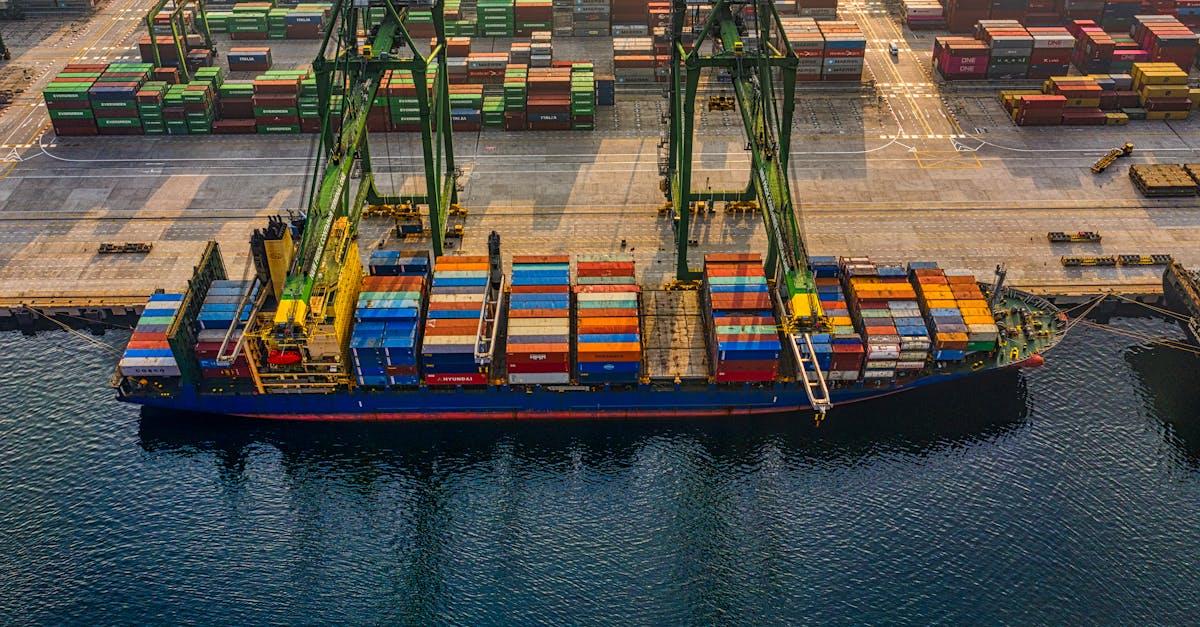
Global supply chains are larger and more connected than ever, yet they regularly feel brittle. Disruptions that once would have been localized now ripple across continents. That fragility is not just a series of bad events; it is the product of structural choices, changing risk landscapes, and incentives that prioritize cost efficiency over redundancy. Understanding why requires looking at concrete disruptions, systemic drivers, and the realistic trade-offs firms and governments face when trying to harden supply lines.
Prominent upheavals that revealed vulnerable points
- COVID-19 pandemic: Factory closures, workforce shortages, and volatile demand between 2020 and 2022 led to widespread scarcities in medical equipment, electronics, and everyday products, while ports faced heavy congestion and lead times stretched from mere weeks to several months across numerous sectors.
- Suez Canal blockage (Ever Given, 2021): When a single vessel ran aground, it halted one of the world’s key shipping routes for six days, postponing the movement of hundreds of ships and disrupting an estimated $9–10 billion in daily trade as delays rippled through global inventories.
- Semiconductor shortages: A surge in demand combined with limited fabrication capacity sharply cut global automotive production by millions of vehicles during 2020–2022, revealing how dependence on a small group of specialized suppliers can constrain entire markets.
- Russia–Ukraine war: Interruptions in grain, fertilizer, and energy exports from two major suppliers drove up food and input prices and exposed critical vulnerabilities within commodity supply chains.
- Cyberattack on Maersk (NotPetya, 2017): A single malware strike crippled a leading container operator, generating losses in the hundreds of millions and demonstrating how digital breaches can trigger substantial physical disruption.
- Extreme weather and regional disasters: The Thailand floods (2011) and similar climate‑related events shut down factories producing hard disk drives and electronic components, highlighting how localized crises can significantly affect global goods.
Fundamental structural factors underlying fragility
- Concentration of production: Key components are often made in few places. Semiconductor fabrication, certain active pharmaceutical ingredients, and rare earth processing are concentrated, so local disruptions become global problems.
- Lean, just-in-time practices: Low inventory and tight delivery schedules reduce carrying costs but erase buffer capacity. When a link breaks, there is little cushion.
- Length and complexity: Long multi-tier supplier networks obscure where risks accumulate. Many firms only know their first-tier suppliers; risks deeper in the chain remain invisible.
- Logistics bottlenecks: Limited port capacity, scarcity of containers, and constrained trucking and rail capacity can create chokepoints that amplify upstream problems into long delays and higher costs.
- Labor and skills shortages: Shortages of truck drivers, port workers, warehouse staff, and skilled factory technicians reduce flexibility to absorb surges or reroute flows.
- Financial optimization and incentives: Procurement and finance often reward lower purchase prices and capital efficiency, not resilience, so risk-mitigating investments are underprovided.
Newly emerging stress factors intensifying overall fragility
- Climate change: Increasingly intense and frequent extreme weather elevates the risk of interruptions in manufacturing and transportation.
- Geopolitical fragmentation: Export limits, sanctions, and other trade barriers can suddenly sever access to key suppliers or shipping routes.
- Cyber and geopolitical risk: Digital intrusions and state-driven interference may disrupt logistics networks, communications channels, and industrial control technology.
- Regulatory and ESG pressures: Rapid shifts in regulation and sustainability mandates heighten transition risk and may funnel demand toward compliant providers.
Reasons rapid fixes frequently fall short
- Diversification costs: Adding alternative suppliers, building parallel capacity, or carrying extra inventory raises unit costs and can reduce competitiveness.
- Lead-time and scale friction: New suppliers take time to qualify; some capabilities require large scale investments that cannot be switched overnight.
- Policy limits: Reshoring or onshoring is politically popular but costly and slow; critical sectors like advanced chips or pharmaceuticals need long-term, capital-intensive investments.
- Visibility limits: Many firms lack data on second- and third-tier suppliers, making targeted resilience actions difficult.
Practical strategies that companies and governments can put into action
- Risk mapping and supplier visibility: Use digital supplier registries, audits, and data-sharing to identify concentration risks beyond first-tier suppliers.
- Diversification and dual sourcing: Where feasible, add geographically separated suppliers or dual-source critical components to avoid single points of failure. Several electronics firms have shifted some production from one country to multiple countries in Asia.
- Strategic inventory and safety stock: Hold higher critical-component buffers or strategic reserves for key inputs. Retailers and manufacturers increased inventory targets after pandemic shocks.
- Regionalization and nearshoring: Shorten logistics by producing closer to demand markets when total landed cost justifies it; nearshoring to Mexico for the U.S. market is a growing example.
- Invest in visibility and analytics: Control towers, predictive analytics, and digital twins help anticipate disruptions and simulate alternative supply paths.
- Robust contracts and collaborative relationships: Long-term partnerships, capacity reservations, and shared contingency plans align incentives and enable faster coordinated responses.
- Public policy measures: Governments can support critical domestic capacity through incentives (for example, semiconductor subsidies), maintain strategic stockpiles, and strengthen port and logistics infrastructure.
- Cybersecurity and operational testing: Regular cyber resilience measures and tabletop exercises reduce the likelihood and impact of digital disruptions.
How to measure progress
- Time-to-recover (TTR): Measure how long operations take to return to baseline after disruption.
- Supplier concentration metrics: Track percentage of spend with top suppliers and geographic concentration by critical component.
- Inventory coverage: Monitor days-of-supply for critical parts rather than aggregate inventory turns.
- Scenario-test frequency: Regular stress testing against plausible geopolitical, climate, and cyber events.
Case notes that illustrate trade-offs
- Semiconductors: Efforts to build new fabs in multiple countries reduce concentration risk but require government subsidies and a decade of investment to change the landscape.
- Retailers: Some retailers accepted higher inventory levels post-pandemic to protect sales at the cost of working capital and higher markdown risk.
- Shipping: Container rates rose several-fold during the pandemic as capacity and dwell time imbalances collided with surging demand; resolving that required both industry coordination and infrastructure adjustments.
Supply chains remain sensitive because the system combines tightly optimized processes with unavoidable uncertainty. Strengthening them is not a single technical fix but an ongoing rebalancing of cost, speed, and risk—backed by better information, deeper collaboration between buyers and suppliers, prudent public policy, and targeted capital investment. Building resilience means accepting some permanent trade-offs: higher recurring costs for lower systemic risk, slower but more stable response options, and increased transparency that becomes a foundation for smarter, faster decisions when the next disruption arrives.