Understanding Volcanic Risk in the Modern World
Volcanoes rank among the most formidable natural systems on Earth. Although numerous eruptions remain moderate and are closely monitored, certain volcanoes merge high eruptive potential with heavily populated surroundings, volatile magma networks, or past records of devastating blasts. Such peaks are deemed particularly perilous, driven as much by the sheer magnitude of human exposure as by their inherent geological traits.
Below are ten of the most dangerous actively monitored volcanoes on the planet, selected based on eruptive history, magma composition, explosivity, monitoring assessments, and nearby population density.
1. Mount Vesuvius (Italy)
Type: Stratovolcano
Last major eruption: 1944
Nearby population: Over 3 million in the Naples metropolitan area
Mount Vesuvius is infamous for the eruption of 79 CE that destroyed Pompeii and Herculaneum. It remains one of the most dangerous volcanoes in the world because of the extremely dense population living around it. Vesuvius is capable of Plinian eruptions—highly explosive events characterized by towering ash columns and pyroclastic flows.
Volcanologists warn that a massive eruption today might compel the displacement of hundreds of thousands of individuals. Even moderate activity would severely impact Naples and surrounding infrastructure.
2. Mount Rainier (United States)
Type: Stratovolcano
Last eruption: Minor activity in the 19th century
Primary hazard: Lahars
Although Mount Rainier has not produced a major eruption in recent history, it is considered extremely dangerous due to its massive glacial cover. An eruption or structural collapse could trigger enormous lahars—volcanic mudflows—capable of traveling dozens of miles.
Cities such as Tacoma and parts of the Seattle metropolitan area lie in lahar pathways. Geological evidence shows that Rainier has produced massive mudflows in the past without major explosive eruptions.
3. Mount Merapi (Indonesia)
Type: Stratovolcano
Eruption frequency: Highly active
Nearby population: Millions in Central Java
Mount Merapi is one of the most active volcanoes on Earth. It frequently produces pyroclastic flows and dome collapses. The 2010 eruption killed more than 350 people and displaced hundreds of thousands.
Indonesia sits along the Pacific Ring of Fire, and Merapi’s magma composition makes it prone to explosive activity. Dense nearby settlements significantly increase its danger level.
4. Popocatépetl (Mexico)
Type: Stratovolcano
Current status: Persistently active
Nearby population: Over 20 million within 100 km
Situated close to Mexico City and Puebla, Popocatépetl stands as one of the most thoroughly observed volcanoes across the Americas. Over recent decades, it has displayed frequent ash plumes alongside explosive outbursts.
A major eruption could disrupt air traffic, contaminate water supplies, and force mass evacuations in one of the world’s largest urban corridors.
5. Sakurajima (Japan)
Type: Stratovolcano
Eruption frequency: Frequent explosions
Nearby population: Kagoshima metropolitan area
Regular explosive activity is a characteristic of Sakurajima, which frequently launches ash plumes thousands of feet skyward. Formerly an island, it joined the mainland following a massive 1914 lava eruption.
Japan’s sophisticated monitoring network provides early warnings, but the volcano’s consistent activity and proximity to urban areas make it persistently hazardous.
6. Taal Volcano (Philippines)
Type: Complex volcano featuring a caldera system
Last major eruption: 2020
Hazard factors: Base surges, toxic gases
Taal is situated inside a lake on Luzon Island and boasts a background marked by intense phreatomagmatic explosions. More than 300,000 individuals were forced to evacuate due to its 2020 eruption, which also blanketed Manila in volcanic ash.
The intricate architecture of the volcano enables molten rock to mingle with moisture, thereby heightening its explosive nature and volatility.
7. Yellowstone Caldera (United States)
Type: Supervolcano
Last major eruption: Approximately 640,000 years ago
Yellowstone is not expected to erupt anytime soon, yet its sheer destructive capacity ranks it alongside the planet’s most perilous volcanoes. Previous supereruptions spewed upwards of 1,000 cubic kilometers of debris, profoundly disrupting the global climate.
At present, it displays geothermal phenomena, surface displacement, and frequent minor tremors. A major blast would trigger worldwide repercussions, such as agricultural failure and atmospheric chilling.
8. Mount Nyiragongo (Democratic Republic of the Congo)
Type: Stratovolcano featuring a lava lake
Last major eruption: 2021
Primary hazard: Extremely rapid lava flows
Nyiragongo generates exceptionally fluid lava capable of moving at rapid velocities. The eruption in 2002 channeled molten rock straight across the city of Goma, displacing hundreds of thousands of residents and obliterating vast areas of the municipality.
The area’s constrained infrastructure alongside persistent instability hampers evacuation operations, thereby heightening the overall threat.
9. Mount Pinatubo (Philippines)
Type: StratovolcanoMajor eruption: 1991
The 1991 eruption of Pinatubo was one of the largest of the 20th century. It ejected roughly 10 cubic kilometers of material and injected vast quantities of sulfur dioxide into the stratosphere, lowering global temperatures by about 0.5 degrees Celsius.
Though currently quieter, the volcano remains closely monitored due to its explosive potential and regional population density.
10. Campi Flegrei (Italy)
Type: Large caldera system
Primary concern: Ground uplift and unrest
Nearby population: Over 1.5 million
Campi Flegrei, near Naples, is a vast caldera rather than a single cone. It has shown significant ground uplift, increased seismicity, and gas emissions in recent years.
Southern Italy could face severe disruptions from a moderate eruption. Due to its proximity to Vesuvius, the area stands as one of the most hazardous volcanic zones across Europe.
Common Factors That Make These Volcanoes Especially Dangerous
- High explosivity: Magma rich in silica frequently triggers violent eruptions.
- Dense nearby populations: Rapid urban growth amplifies overall exposure.
- Secondary hazards: Lahars, ash showers, poisonous gases, alongside pyroclastic flows.
- Complex magma systems: Caldera networks remain notoriously unpredictable.
- Historical precedent: Previous catastrophic events signal future risks.
The Function of Oversight and Readiness
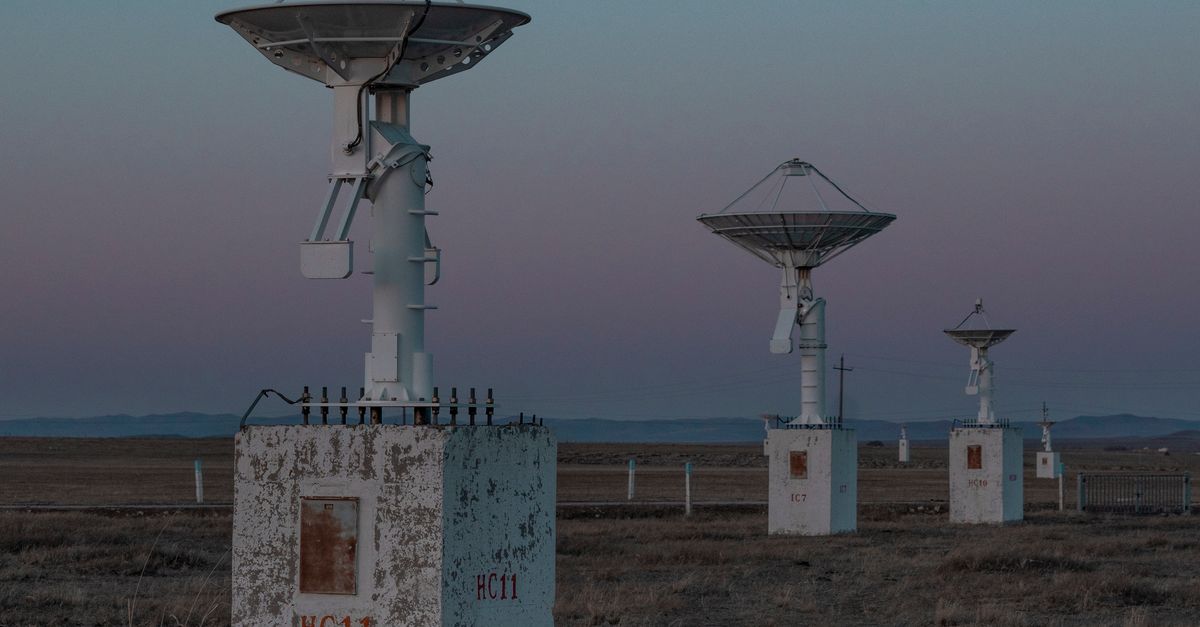
Modern volcano observatories track volcanic unrest utilizing satellite imagery, seismic networks, gas measurements, ground deformation sensors, and thermal monitoring. Fatalities have been drastically reduced by early warning systems in comparison to previous centuries.
However, monitoring does not eliminate risk. Rapid escalation, infrastructure limitations, political instability, and evacuation challenges can still turn geological events into humanitarian crises.
Volcanoes remind humanity that technological advancement does not override planetary forces. The most dangerous monitored volcanoes are not merely geological features; they are dynamic systems interacting continuously with expanding human societies. Risk grows where natural volatility meets urban density, and resilience depends on sustained scientific vigilance, public education, and coordinated emergency planning across generations.