

Introduction: When Necessity Meets Sustainability
Environmental pressures have repeatedly forced societies, industries, and governments to rethink how they design products, generate energy, and manage resources. From climate change and air pollution to water scarcity and waste accumulation, environmental challenges have become powerful catalysts for innovation. The result is a wave of technologies that not only reduce ecological impact but also unlock economic value, improve public health, and reshape global markets. Below are 15 technological innovations born from environmental demands, each illustrating how sustainability can drive transformative progress.
1. Solar Photovoltaic Panels
Rising greenhouse gas emissions alongside volatile fossil fuel markets have sped up the creation of solar photovoltaic technology. Today, commercial solar panels routinely surpass 22 percent efficiency, whereas early models barely achieved 10 percent. Both massive solar farms and rooftop installations have established solar as one of the most rapidly expanding energy sectors globally. Over the last ten years, expenses have dropped by upwards of 80 percent, transforming what started as an ecological fix into a mainstream power source.
2. Wind Turbine Engineering
Air pollution and carbon reduction targets fueled rapid improvements in wind turbine design. Today’s offshore turbines exceed 12 megawatts per unit, capable of powering thousands of homes. Advanced blade materials, predictive maintenance sensors, and optimized aerodynamics have significantly increased capacity factors. Wind energy now competes directly with fossil fuels in many regions without subsidies.
3. Electric Vehicles and Battery Innovation
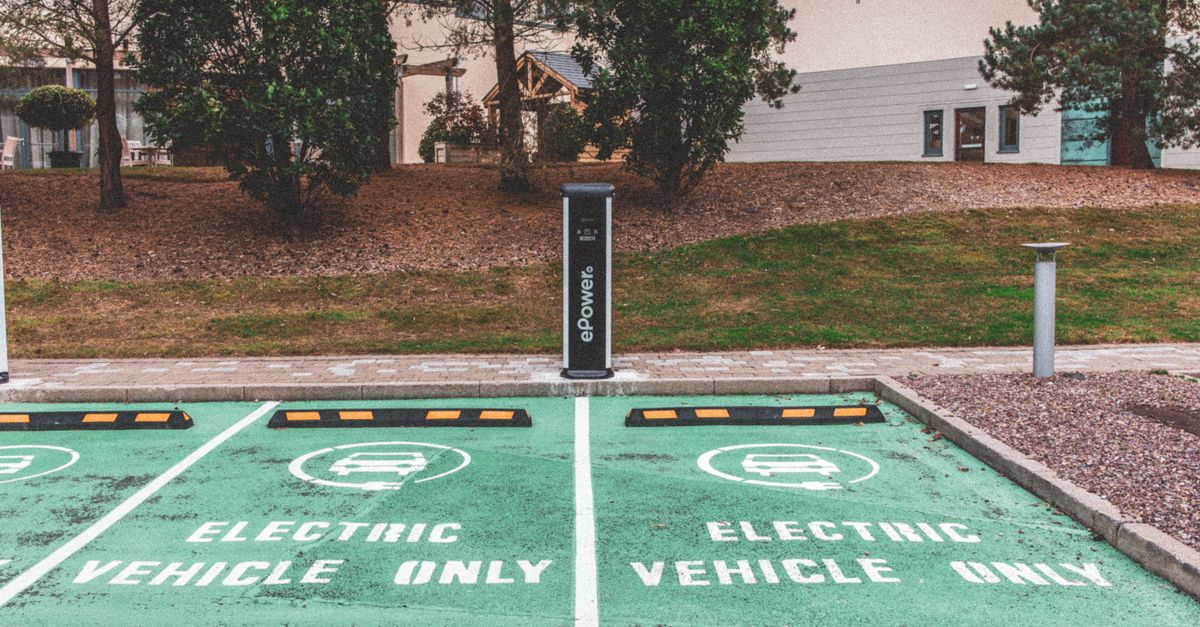
Urban smog and climate policies spurred the shift from internal combustion engines to electric vehicles. Lithium-ion battery costs have dropped nearly 90 percent since 2010, enabling mass-market adoption. Improvements in battery density, charging speed, and durability have extended driving ranges beyond 300 miles for many models. Simultaneously, research into solid-state batteries promises even higher safety and efficiency standards.
4. Grid-Scale Energy Storage
The intermittent nature of renewable power has driven the need for dependable storage options. Grid stability is currently supported by utility-scale battery installations, pumped hydroelectric facilities, and innovative solutions like flow batteries. Nations incorporating significant shares of solar and wind generation depend heavily on these storage networks today to match supply with demand and avoid blackouts.
5. Smart Grids
As electrical grids grew increasingly complex, digital coordination became essential for environmental efficiency. Intelligent power networks leverage sensors, live analytics, and automated mechanisms to streamline energy distribution. Consequently, this approach minimizes transmission waste, incorporates decentralized renewable sources, and facilitates demand-response initiatives that cut total usage throughout high-demand intervals.
6. Advanced Water Purification Technologies
Water scarcity and contamination prompted innovations in desalination and filtration. Reverse osmosis membranes have become more energy efficient, reducing desalination costs significantly. Additionally, ultraviolet purification and nanofiltration systems now provide safe drinking water to millions in water-stressed regions. Some facilities recycle wastewater for agricultural and industrial use, conserving freshwater supplies.
7. Precision Agriculture
Concerns about soil degradation, fertilizer runoff, and water overuse led to the development of precision agriculture. Using satellite imagery, soil sensors, and data analytics, farmers can apply water and nutrients exactly where needed. Studies show that precision systems can reduce fertilizer use by up to 30 percent while maintaining or increasing yields.
8. Vertical Farming
Urbanization and land scarcity have accelerated interest in vertical farming. These indoor systems use controlled environments, LED lighting, and hydroponics to grow crops with up to 95 percent less water than conventional farming. By eliminating long transportation chains, vertical farms also reduce emissions associated with food distribution.
9. Biodegradable and Compostable Materials
The accumulation of plastic waste across marine ecosystems and garbage dumps spurred the creation of biodegradable polymers originating from plant starches alongside alternative renewable inputs. Bio-based plastics and compostable containers decrease dependency on fossil fuel derivatives while helping to curb lasting ecological harm under appropriate disposal conditions.
10. Carbon Capture and Storage
As industrial emissions remained high despite renewable growth, carbon capture technologies emerged to address hard-to-abate sectors. These systems capture carbon dioxide from power plants or industrial facilities and store it underground. New approaches even convert captured carbon into building materials, fuels, or synthetic products, transforming waste into economic assets.
11. Green Hydrogen Production
Heavy industries such as steel and shipping require high-energy fuels. To reduce emissions, green hydrogen is produced using renewable-powered electrolysis. While still scaling, pilot projects demonstrate its potential to decarbonize sectors that electricity alone cannot easily replace.
12. Circular Economy Recycling Technologies
Growing landfills and electronic waste streams demanded smarter recycling methods. Advanced sorting systems use artificial intelligence and robotics to separate materials efficiently. Chemical recycling technologies can break down plastics into their original molecular components, enabling true material circularity rather than downcycling.
13. Energy-Efficient Building Design
Structures consume a significant portion of worldwide energy. Ecological regulations have driven advancements like advanced thermal insulation, triple-pane glass, passive solar design, and intelligent HVAC systems. Zero-energy facilities currently produce as much power as they use each year, establishing fresh standards for city planning.
14. Waste-to-Energy Systems
Municipal waste accumulation led to technologies that convert garbage into electricity or heat through controlled combustion or anaerobic digestion. Modern facilities incorporate advanced emission controls to reduce air pollutants. Biogas systems also capture methane from organic waste, turning a potent greenhouse gas into a renewable energy source.
15. Environmental Monitoring and Remote Sensing
Effective environmental protection requires accurate data. Satellite monitoring, drone-based sensors, and Internet-connected environmental devices track deforestation, air quality, ocean temperatures, and wildlife populations in real time. These technologies enable governments and organizations to respond rapidly to environmental threats and enforce sustainability policies.
Key Drivers Behind These Innovations
- Regulatory pressure: Emission caps and ecological regulations compel industrial sectors to innovate.
- Economic incentives: Subsidies for green energy alongside carbon pricing stimulate capital investment.
- Consumer demand: Heightened public consciousness expands markets for sustainable goods.
- Technological convergence: Breakthroughs in data analytics, materials science, and artificial intelligence expedite environmental solutions.
Economic and Social Impact
Environmental innovation is not solely about ecological preservation; it reshapes economies. The renewable energy sector alone employs millions globally. Energy-efficient technologies reduce operating costs for businesses and households. Cleaner air and water lower healthcare expenses and improve quality of life. Emerging markets benefit from decentralized renewable systems that expand access to electricity without massive infrastructure investments.
Challenges and Future Directions
Despite rapid progress, obstacles remain. Storage limitations, mineral supply constraints, infrastructure gaps, and policy inconsistencies can slow adoption. Continued investment in research and development, international collaboration, and equitable financing models will determine how effectively these technologies scale worldwide.
Environmental demands have proven to be more than constraints; they function as engines of ingenuity. Each innovation described above demonstrates how ecological necessity can inspire solutions that redefine industries and expand opportunity. As environmental pressures intensify, the next generation of breakthroughs will likely emerge not from abundance, but from the persistent drive to harmonize human progress with the planet’s limits.


