MN8 Energy has secured a long-term power purchase agreement with Meta to supply renewable electricity from a new 80-megawatt solar project in Pennsylvania. The deal underscores growing collaboration between clean energy developers and technology companies seeking reliable, carbon-free power for expanding digital operations.
New York-based MN8 Energy announced that it will provide the full output of its planned 80-megawatt Walker Solar Project to Meta under a long-term agreement. The project is being developed in Juniata County and is expected to begin operations by the end of 2026.
The agreement marks the first direct collaboration between the two companies and reflects the accelerating demand for renewable power driven by data centers, artificial intelligence infrastructure, and broader electrification trends across the United States.
Broadening the reach of renewable power to support rising digital needs
Under the terms of the power purchase agreement (PPA), Meta will acquire 100 percent of the electricity generated by the Walker Solar facility. The arrangement is designed to help the technology company continue aligning its operations with its commitment to match electricity consumption with 100 percent clean and renewable energy.
Long-term PPAs have become a cornerstone of corporate renewable energy procurement strategies. By locking in supply from newly developed projects, companies not only stabilize energy costs but also enable additional clean generation capacity to be built and connected to the grid. In this case, the Walker Solar Project will contribute new generation to the PJM Interconnection, the regional transmission organization that coordinates electricity movement across much of the Mid-Atlantic and parts of the Midwest.
For MN8 Energy, this collaboration strengthens its focus on supplying utility-scale renewable infrastructure designed for major enterprise clients, positioning the company as a source of solar power and battery storage that helps customers secure dependable energy and bolster overall grid stability and resilience.
Moe Hanifi, senior vice president at MN8 Energy, underscored how crucial domestic energy capacity has become as digital infrastructure continues to grow, pointing out that rising artificial intelligence workloads and the expanding electricity demands of data centers make reliable, locally produced power indispensable for driving sustained innovation and economic development.
The Walker Solar facility, once it begins operating, will stand as an additional asset within Pennsylvania’s renewable portfolio, as large-scale solar initiatives like this help broaden the state’s energy mix and advance its long-term decarbonization objectives.
Regional economic influence and infrastructure growth
Beyond supplying electricity to Meta, the Walker Solar Project is expected to generate tangible benefits for the surrounding community. During construction, the project will create temporary jobs, and once operational, it will support ongoing operations and maintenance roles. Additionally, local governments in Juniata County are likely to see increased tax revenue, which can be directed toward public services, schools, and infrastructure improvements.
Large-scale solar projects typically demand extensive planning, regulatory approvals, and close coordination with local stakeholders. Project developers have to evaluate land utilization, grid connection potential, environmental factors, and the logistics needed for sustained operations. In many rural areas, these initiatives may introduce fresh economic opportunities while remaining consistent with current land practices.
Strengthening regional energy infrastructure represents another essential aspect of the project’s overall value, and the integration of domestically generated renewable electricity into the PJM grid by the Walker Solar facility can boost capacity while supporting system reliability. As additional sectors shift toward electrified solutions encompassing transportation, heating, and various industrial operations, grid operators increasingly confront the challenge of maintaining adequate supply during periods of heightened demand.
The collaboration also reflects a broader trend: technology companies increasingly investing in clean energy procurement as a core operational strategy rather than a peripheral sustainability initiative. For firms operating energy-intensive data centers, renewable energy agreements are not only climate commitments but also business imperatives.
Urvi Parekh, Meta’s Director of Global Energy, characterized the partnership as a meaningful move to broaden renewable generation in Pennsylvania while advancing the company’s clean energy goals. By obtaining electricity straight from newly developed projects, corporations such as Meta help stimulate further investment in renewable infrastructure.
How power purchase agreements influence the ongoing energy transition
Power purchase agreements have emerged as one of the most effective financial tools for accelerating renewable deployment. Through long-term contracts, developers gain predictable revenue streams, which in turn facilitate project financing and reduce investment risk. Corporate buyers benefit from price stability and demonstrable progress toward sustainability targets.
In the United States, large-scale solar capacity has grown rapidly over the past decade, fueled in part by such agreements. Enterprises across industries—from technology and manufacturing to retail and healthcare—have entered into similar arrangements to secure clean electricity and hedge against market volatility.
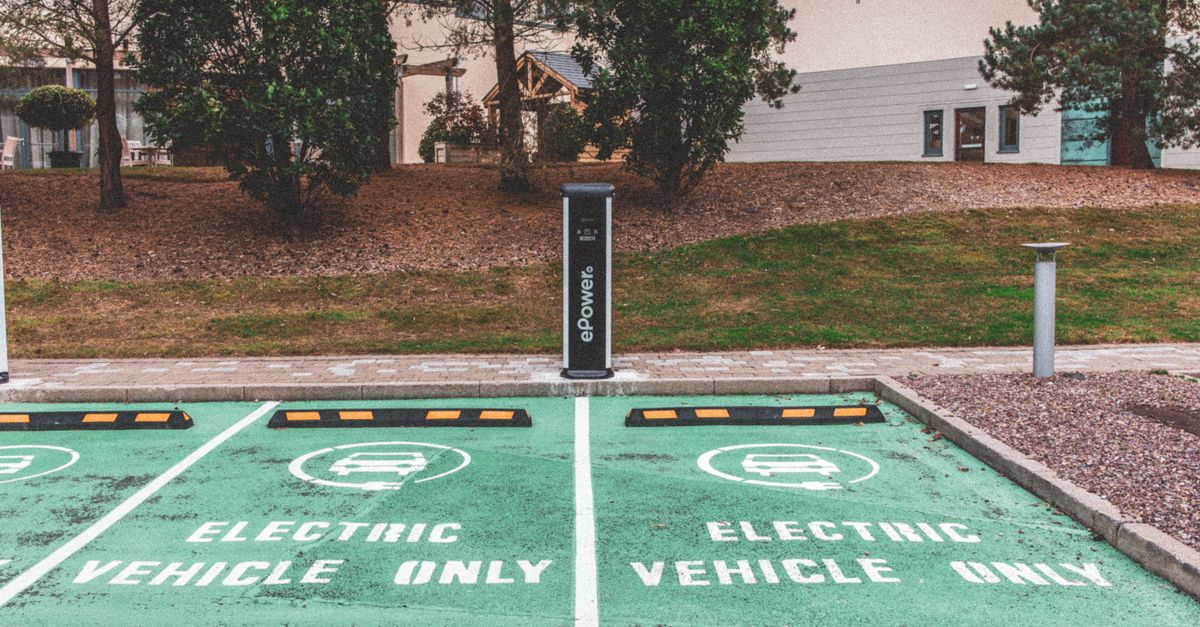
For MN8 Energy, the Meta agreement aligns with a broader portfolio strategy. The company reports approximately four gigawatts of operational and under-construction solar projects nationwide, alongside 1.1 gigawatt-hours of battery energy storage across more than 800 projects in 29 states. It also operates high-power electric vehicle charging stations in multiple regions. This diversified footprint positions MN8 as a significant independent power producer within the U.S. renewable energy sector.
Battery storage integration has become increasingly critical as solar penetration rises. While the Walker Solar Project announcement focuses primarily on generation capacity, storage solutions often complement solar arrays to smooth output variability and support grid balancing. Together, these technologies contribute to improved resilience, particularly as extreme weather events place additional strain on energy systems.
Addressing the demands of an evolving grid
The agreement between MN8 Energy and Meta highlights how two major forces converge: the swift expansion of digital infrastructure and the accelerating rollout of clean energy. Data centers, cloud platforms, and AI‑based services demand steady, large‑scale electricity, while policymakers and corporate executives simultaneously confront rising pressure to cut greenhouse gas emissions and shift toward sustainable power sources.
Projects like Walker Solar help address both imperatives. By adding new renewable capacity to the grid, they support growing electricity demand while limiting reliance on fossil fuels. For the PJM region, which encompasses parts of Pennsylvania and several neighboring states, maintaining adequate generation capacity is essential as older power plants retire and consumption patterns evolve.
The Walker Solar Project is expected to reach completion by late 2026, while MN8 Energy continues advancing key development steps such as finalizing interconnection agreements, obtaining permits, and coordinating construction plans. Large solar facilities generally progress through engineering and design, site preparation, panel mounting, inverter installation, and grid connection testing before entering full commercial service.
As corporate sustainability commitments mature, partnerships between renewable developers and technology firms are likely to become even more common. Companies that once focused primarily on purchasing renewable energy certificates are now increasingly investing in direct offtake agreements tied to specific projects. This shift supports incremental generation, meaning new facilities are built rather than relying solely on existing renewable assets.
Energy infrastructure growth is increasingly intertwined with the digital economy, as highlighted by the MN8-Meta agreement, with dependable, cost-effective, low-emission power now seen as essential for fostering innovation, supporting competitiveness, and ensuring sustained economic resilience.
As electricity demand is expected to climb over the next several years due to electrification, AI, and expanding industrial activity, arrangements of this kind could become blueprints for upcoming partnerships. When corporate procurement plans are coordinated with infrastructure growth, renewable energy developers and large enterprises can help reinforce grid capacity and push decarbonization goals forward together.
The long-term power purchase agreement between MN8 Energy and Meta represents a strategic investment in Pennsylvania’s renewable energy landscape. The Walker Solar Project is poised to deliver clean electricity, economic benefits for Juniata County, and additional capacity to the PJM grid. As technology companies scale their operations and energy requirements grow, partnerships of this kind highlight the evolving relationship between digital innovation and sustainable power generation in the United States.